The Death of Robin Hood: Take A Deep, Unflinching Look At The Monstrous Side Of The Robin Hood Story
The Death of Robin Hood Synopsis:
After a devastating battle leaves Robin Hood (Hugh Jackman) clinging to life, he is rescued by a mysterious woman (Jodie Comer) whose care offers a final, flickering opportunity for spiritual salvation. As he confronts his impending mortality, Robin must grapple with his dark past to determine if redemption is possible or if he is forever defined by the blood on his hands.
Genre: Adventure, Drama
Release Date: In theaters June 19th, 2026
The Death of Robin Hood Fun Facts: The Movie Takes A Deep, Unflinching Look At The Monstrous Side Of The Robin Hood Story
Darker Origins:
Forget the heroic, lighthearted version of Robin Hood you might remember from the famous Kevin Costner movie released in 1991. The new script in The Death of Robin Hood takes a completely different path. Instead of relying on Hollywood plot and theme, it goes back to the character's original roots by drawing inspiration from a dark adaptation of the 17th-century ballad Robin Hood's Death. If you are used to the charming outlaw who "robs from the rich and gives to the poor," prepare for a bit of a culture shock. The original legends were far from the polished, family-friendly adventures we see in modern cinema. The early ballads were written as tough, grounded, and often quite grim, reflecting the harsh reality of life centuries ago. These older tales focus on the brutal realism of the violence, depicting a world where survival was a struggle and the stakes were much higher than a simple archery tournament. The script explores the final, somber moments of the legendary Archer, dealing with themes of betrayal and mortality rather than the legendary tale of a folklore hero.
Deconstructing a Legend:
In the upcoming film The Death of Robin Hood, Hugh Jackman portrays a version of the legendary outlaw that is far from the dashing hero we usually see. Instead of a charming hero, this Robin Hood is a man completely shattered, both in body and spirit. He is physically exhausted and haunted by the weight of his past. The movie takes a deep, unflinching look at the "monstrous" side of the Robin Hood story. The early trailer portrays Robin Hood as a man filled with genuine violence, brutal murders, and heavy psychological consequences. While the man himself is struggling with the guilt and physical toll of his crimes, the public begins to ignore the messy reality of his actions. The common people begin to spin his violent deeds into the "robbing from the rich to give to the poor" folklore we recognize today. While Robin Hood is falling apart emotionally, the world around him is busy turning his life's story into a flawless, larger-than-life symbol of hope. This movie is a character study to show how history often polishes away the blood and trauma of a person's life to create a more comfortable story for the masses.
A Drastic Transformation:
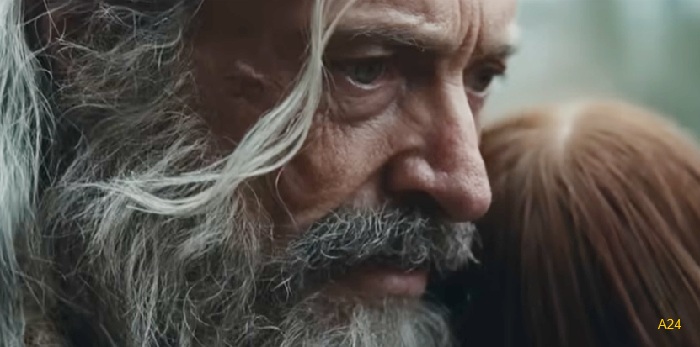
While filming The Death of Robin Hood, Hugh Jackman underwent a transformation that is much more rugged and intense. To truly commit to the role of a broken, aging outlaw, Jackman went through a total physical overhaul. In the trailer you can barely see his face, which is hidden behind a massive, thick gray beard and long, matted hair. This unattended appearance is meant to show the years of living in the wild and the heavy toll of a life spent on the run. We are used to seeing Jackman as the fit, sharp-looking superhero character in "Wolverine." However, in this film, his appearance emphasizes exhaustion and neglect, mirroring the character's internal struggle and physical decline. The matted hair and overgrown beard signal to the audience that this version of Robin Hood has been through hell, moving far away from the clean-cut image of the folklore hero. This dramatic change suggests that Jackman is leaning into a "transformative" performance, where he disappears into the role completely so that the audience does not recognize him and all they see is the weary, battle-worn man on screen.
The "Sarnoski Touch":
If you enjoyed director Michael Sarnoski’s previous work, such as the critically acclaimed film Pig (2021) starring Nicolas Cage, you already have a good idea of his unique storytelling style. Sarnoski has a real talent for taking characters we expect to be "tough guys" and stripping away their armor to show the vulnerable, hurting human underneath. In Pig, Sarnoski took what looked like a standard revenge setup and turned it into a quiet, beautiful meditation on loss. He is expected to bring that same emotional depth to The Death of Robin Hood. Sarnoski is likely to focus on the character’s internal life and the sadness that comes with a lifetime of fighting. Just as he did with Nicolas Cage’s character, the director wants to explore the "soul" of the person. This means we’ll see less of the invincible archer and more of a man who is grieving, reflecting on his choices, and feeling the weight of his years in the forest. Instead of showing strength through flashy fights, this film will likely show strength through endurance and emotional honesty. It’s about the quiet moments of a legend coming to terms with his own mortality.
The Death of Robin Hood Review: He Didn't Just Steal From The Wealthy To Help The Needy; He Robbed Anyone Who Crossed His Path
In his new film The Death of Robin Hood, director Michael Sarnoski completely shatters the fairy-tale image of the legendary prince of thieves. If you are expecting a heroic adventure about a noble savior who steals from the rich and gives to the poor, this movie will shock you. Instead, it offers a gritty, dark, and highly controversial look at what happens when a lifetime of violence catches up with an aging man. By stripping away centuries of romantic folklore, the film forces us to look at the grim reality of a life built on bloodshed. It turns a beloved bedtime story into a powerful, unsettling psychological drama about legacy, survival, and the heavy burden of late-life regret.
In The Death of Robin Hood, we meet an aging, ragged Robin Hood played by Hugh Jackman. Far from the noble hero of classic bedtime stories, this version of Robin is a brutal, guilt-ridden criminal hiding out in the wilderness. He didn't just steal from the wealthy to help the needy; he robbed anyone who crossed his path, killing indiscriminately just for the adrenaline rush of the hunt. The story takes a dark turn when Robin reunites with his old partner-in-crime, Little John (Bill Skarsgård).
Together, they launch a raid that quickly spirals out of control, turning into an outright slaughter. The chaotic battle leaves Robin gravely wounded and clinging to life. Seeking a place to hide and heal, Robin takes refuge at the secluded Priory of St. Clement. There, he is taken in and nursed back to health by the compassionate Sister Brigid (Jodie Comer). Surrounded by the quiet peace of the priory, Robin Hood contemplates his past lives with a heavy question: Can a man with so much blood on his hands ever truly find redemption?
Hugh Jackman completely reinvents the legendary outlaw in The Death of Robin Hood, playing Robin Hood not as a charming hero but as a terrifyingly violent nomad. This is a man who has been completely hollowed out by a lifetime of crime, leaving behind only a shell of his former self. Jackman is magnificent in the role, bringing a unique real-world weight to the character; his performance here feels powerful and heartbreaking. Hidden behind a massive, thick gray beard and long, matted hair, Jackman delivers a true masterclass in acting.
He brilliantly focuses on the internal damage of the character, capturing pure exhaustion. You can feel the physical and mental toll that decades of running and fighting have taken on his body. He portrays a man who genuinely hates what he has become and can no longer stomach the horrors he has committed. Every glance and movement reveals a soul haunted by a lifetime of violence, showing the devastating psychological cost of a life lived by bloodshed. It is a brave, unglamorous performance that strips away the Hollywood shine to show the grim reality of a broken legend.
As Sister Brigid, Jodie Comer brings a quiet, much-needed grace to an otherwise hopeless and violent world in The Death of Robin Hood. In a movie filled with grim, blood-soaked characters, her presence acts as a breath of fresh air and a crucial emotional anchor for the audience. While her performance is stellar, the writing itself occasionally stumbles. Even when the dialogue feels a bit forced or overly dramatic, her natural talent shines through, making the scenes work anyway.
She uses her expressions and quiet moments to convey a deep sense of empathy, effortlessly showing why her character is capable of looking past Robin’s violent history. Her calm, compassionate energy provides the perfect contrast to Hugh Jackman’s explosive, rage-filled performance, creating a captivating dynamic whenever they share the screen. Comer takes a role that could have felt like a cliché and turns it into a powerful, memorable performance that gives the film its heart.
In The Death of Robin Hood, the movie doesn’t just rely on acting to tell its story; the cinematography itself brilliantly guides the audience through Robin Hood's emotional journey. The visual style changes completely as Robin tries to leave his bloody past behind. The first half of the movie, which focuses on Robin’s violent life, is trapped in a cold, gray world. Most of the scenes are cast in deep darkness, lit only by the harsh, flickering glow of campfires. This color scheme makes his environment feel as brutal, lonely, and unforgiving as his actions.
As Robin takes refuge at the priory and searches for a peaceful end to his life, the look of the film completely changes. The harsh grays melt away, replaced by a softer, sun-drenched glow. Warm golden light floods the screen, signaling safety, healing, and a quiet sense of hope. By using lighting and color so effectively, the director ensures that we don’t just watch Robin’s transformation; we actually feel it. It is a stunning visual journey that takes the audience out of a cold, violent, forsaken place and into a warm, peaceful sanctuary.
To fully appreciate The Death of Robin Hood, you have to watch this movie with a great amount of patience. Director Michael Sarnoski makes a very bold artistic choice with the movie's structure: he packs all the pulse-pounding, horrific action into the very beginning and then completely holds back on the violence for the remainder of the movie. This deliberate slowdown serves a deeper purpose, trading standard Hollywood thrills for a powerful message.
Instead of building up the legend, the movie tears it down. It is a dark, deeply uncomfortable, yet beautifully crafted story that deliberately refuses to give audiences the easy entertainment they might expect. Ultimately, The Death of Robin Hood will not please everyone; fans looking for an upbeat, action-packed adventure will likely be disappointed. But for those willing to sit with the silence and the slowness, it offers something rare: a hauntingly honest look at the real, human cost behind a legendary name.
You Might Also Like...
The Devil Wears Prada 2 Trailer, Fun Facts & Review
The Devil Wears Prada 2 Synopsis: Two decades after making her mark, fashion mogul Miranda Priestly (Meryl Streep) faces the ultimate career crisis: the decline
Rental Family Trailer, Fun Facts & Review
Rental Family Synopsis: A struggling American actor (Brendan Fraser) living in Tokyo takes a job with a Japanese "rental family" agency, where he plays various
One Battle After Another Trailer, Fun Facts & Review
One Battle After Another Synopsis: Bob Ferguson (Leonardo DiCaprio), an ex-revolutionary, has his peaceful life turned upside down when a dangerous enemy from