Resident Evil: Bryan Is Completely Out Of His Depth; He Has Zero Combat Training And Zero Survival Skills
Resident Evil Synopsis:
During a snowstorm in the mountains surrounding Raccoon City, Bryan (Austin Abrams), a medical courier, finds his routine night delivery thrown into total chaos by a sudden biological outbreak. Trapped and isolated from civilization, he is forced into a desperate fight for survival as hordes of aggressive, mutated creatures close in around him. Unfolding in one continuous, real-time sequence across a single harrowing night, Bryan's nightmare descent into horror as he scrambles to stay alive using only improvised weapons and raw survival instincts.
Genre: Horror, Sci-Fi, Thriller
Release Date: In theaters September 18th, 2026
Resident Evil Fun Facts: Bryan Is Completely Out Of His Depth; He Has Zero Combat Training And Zero Survival Skills
Set Parallel to the Resident Evil 2 Timeline:
For his new movie Resident Evil, Zach Cregger crafted a fresh story set right in the middle of the iconic zombie outbreak from the 1998 video game Resident Evil 2 series. Rather than altering the classic games or changing existing storylines, Cregger dropped an entirely new, vulnerable character into the middle of the established universe. This approach allowed him to explore the chaos from a brand-new point of view while keeping the original game's lore completely intact.
The Main Character Is Completely Inept:
The story centers on Bryan (Austin Abrams), an ordinary medical courier who gets thrown headfirst into a terrifying night of survival in Raccoon City. Unlike the action heroes typical of the franchise, Bryan is completely out of his depth; he has zero combat training and zero survival skills. The best way to picture him is as a regular person or an average gamer suddenly dropped straight into a real-life survival horror nightmare, forced to navigate monstrous threats using nothing but pure panic and raw survival instinct.
Real-Time Survival Horror Pacing:
The entire story plays out as one non-stop, high-pressure night where the tension never lets up. The story leans heavily into what made the original Resident Evil games so terrifying. Bryan has to scrape by using whatever he can find, rationing limited supplies, turning everyday objects into makeshift weapons, and relying on pure survival instinct just to make it through the freezing, creepy night.
A Cutthroat Bidding War:
Before Sony’s Columbia Pictures finally secured the rights to distribute the film, it sparked an intense bidding war among major Hollywood studios. Entertainment giants like Netflix and Warner Bros. fought fiercely to snag the project. In the end, Sony won out by promising something the streaming giants couldn't offer in the same way: a full, traditional release in movie theaters, guaranteeing audiences can experience the high-tension horror on the big screen.
Cregger Never Saw the Previous Resident Evil Movies:
During the project's development, director Zach Cregger admitted that he had never actually watched any of the previous Resident Evil movies. Rather than pulling from Hollywood's past attempts, Cregger went straight to the source: the classic video games themselves, specifically Resident Evil 2, Resident Evil 3: Nemesis, and Resident Evil 4. His goal was to bypass the typical Hollywood blockbuster formula, which often favored big explosions and flashy action scenes, and instead recapture the core element that made the original games iconic: creepy, edge-of-your-seat survival horror that feels realistic.
An Unexpectedly Stacked Cast:
Alongside lead actor Austin Abrams (Euphoria, Weapons), the movie features a stacked cast of fan-favorite actors playing both ordinary civilians trapped in the city and corporate employees from the sinister Umbrella Corporation. The lineup includes Emmy winner Paul Walter Hauser (Black Bird), Zach Cherry (Severance), and Kali Reis (True Detective: Night Country). Bringing in established, high-caliber actors helps ground the horror, giving audiences realistic, recognizable people to root for or fear as the outbreak spirals out of control.
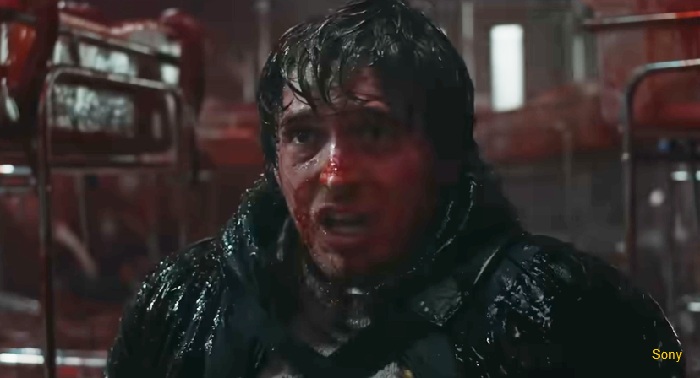
Resident Evil Review: You Can Feel The Gross, Unsettling Weight Of Every Monster On Screen
Zach Cregger is coming off a massive hot streak in original horror, having directed the sleeper hit Barbarian (2022) and the acclaimed thriller Weapons (2025). When he took on Resident Evil, he brought a radical new idea to the table, his new film focus entirely on what it actually feels like to play a survival-horror video game. He stripped away the cinematic clutter, and the result is a dark, pulse-pounding, retro-inspired horror film that strikes the perfect balance. It delivers intense physical dread and nonstop tension while still embracing the subtle, uneasy humor that made fans fall in love with the games in the first place.
At the heart of the story is an ordinary guy who finds himself completely out of his element. Bryan (Austin Abrams), an exhausted medical courier who agrees to take an overnight delivery to Raccoon City General Hospital just to make double pay. He is already stretched to his limit and locked in a stressful phone argument with his girlfriend over a potential pregnancy before everything goes completely off the rails.
Unlike traditional action heroes, Bryan has absolutely no combat training and zero survival skills. He is just a regular guy thrust into a nightmare, reacting with the exact same blind panic, awkward stumbling, and jaw-dropping disbelief that any of us would experience in his shoes. Austin Abrams delivers a raw, deeply physical performance that brings this fear to life in Resident Evil. Through every frantic scream, ragged breath, and wide-eyed look of pure terror, he anchors the movie’s wildest monstrous horrors in genuine human panic, making every terrifying step of his struggle feel shockingly real.
The turning point comes on a desolate, snowy mountain road when Bryan hits a strange, infected woman standing frozen in the dark. In an instant, his routine delivery run collapses into a spiraling, non-stop nightmare of pure survival.
From that point forward, Resident Evil plays out like one long, continuous escalating escape attempt. Bryan is forced into a horrifying detour through an abandoned farmhouse, where he faces ravenous infected dogs and mutated creatures that unnaturally stitch themselves together with fleshy tendrils. From there, the terror continues to escalate, forcing him to fight through one deadly obstacle after another with zero room to breathe.
Previous attempts at bringing Resident Evil to the big screen often stumbled because they focused strictly on visually familiar costumes, recognizable monster designs, and over-the-top action scenes onto a generic movie plot. They copied what the games looked like but completely missed what made them special.
Zach Cregger’s version of Resident Evil succeeds greatly because he understands something far more important: how video games actually feel. Instead of turning the story into an over-the-top superhero blockbuster, Cregger recreates the core emotional experience of playing a survival-horror game. He captures that quiet, creeping anxiety of stepping down a dark corridor, the desperate scramble to manage limited supplies, and the raw panic of being completely outmatched by whatever is lurking in the shadows. He focuses on the player's deep, frightful tension rather than just fan-service visuals; as a result, he translates the true heart of the games onto the big screen.
A huge part of what makes the tension so intense in Resident Evil is the constant battle over resources. Much like in the classic video games, weapons and ammunition are extremely hard to come by. Bryan does not start out loaded with high-tech military gear; he begins his night with nothing more than a weak, low-caliber handgun that barely slows the monsters down.
When he eventually manages to upgrade to a heavy-hitting double-barreled shotgun, it feels like a huge relief until he realizes just how few shells he actually has. Every single shot carries immense weight, forcing Bryan to frantically count every bullet left in his pockets and decide whether to fight or run.
The film also brings the iconic mechanics of video game exploration to life through clever environmental obstacles. Bryan isn't just running from monsters; his desperate escape is constantly blocked by locked doors, blocked passages, and tricky physical barriers that force him to stop and find a way through.
Just when Bryan thinks he has found a quick exit, a gigantic lock stands in his way, increasing the panic as danger closes in. These moments deliver a brilliant payoff of absurd humor, giving the audience a brief moment of uneasy laughter to cut through the suffocating tension before the terror kicks back in.
The film’s atmosphere is brought to life with a shadowy, deeply physical look that makes the dread feel suffocatingly real. The director relies heavily on dramatic, flickering flashlight beams and blinding snowstorms, constantly restricting what you can see in the dark and keeping you on edge about what might be lurking just beyond the light.
When it comes to the monsters in Resident Evil, the film avoids the weightless visual effects that plague so many modern blockbusters. Instead, it leans heavily into terrifying body horror, bringing its creatures to life through practical gore, wet special effects, and stomach-churning physical mutations. You can feel the gross, unsettling weight of every monster on screen, making the violence feel shockingly real and far more disturbing.
The movie’s pacing makes the entire story feel like one uninterrupted, high-stakes nightmare. Rather than jumping around through different character subplots or skipping hours ahead in time, the story unfolds almost completely in real time through Bryan’s eyes. It feels like one continuous, relentless ordeal where a single terrible night spirals completely out of control, dragging both Bryan and the audience straight through the darkness without a chance to pause or catch a breath.
Ultimately, as a pure piece of survival-horror cinema, Resident Evil stands as the most wildly entertaining and genuinely faithful adaptation the franchise has ever produced. Director Zach Cregger proves yet again that he has a master's touch for finding the sweet spot where bone-chilling horror and absurd humor intersect. Instead of relying on tired superhero or superficial video game references, he delivers an adrenaline-fueled experience that honors the spirit of the original games. The result is a high-octane horror film that makes Resident Evil feel genuinely terrifying, breathlessly intense, and excitingly thrilling all over again for longtime fans and newcomers alike.
You Might Also Like...
Insidious Out of the Further: Even From Beyond The Grave, The Movie
Insidious Out of the Further Synopsis: Gemma, a young single mother who discovers she possesses the rare ability to astral project into the fog-shrouded
Ice Cream Man: Be Ready, Every Drop Of Blood Will Look Terrifyingly Re
Ice Cream Man Synopsis: The idyllic suburban town of Bayleen Bay is thrown into absolute chaos when a mysterious new ice cream truck rolls into the neighborhood
Deep Water: You Feel The Vibration, The Chaos, And The Genuine Terror
Deep Water Synopsis: A group of international passengers whose flight from Los Angeles to Shanghai ends in a terrifying emergency landing in the shark-infested