Klara and the Sun: Klara Begins To Uncover A Disturbing Secret About The Real Reason Chrissie Brought Her Into Their Lives
Klara and the Sun Synopsis:
In a near-future society where children are genetically enhanced at severe risks to their health, Klara (Jenna Ortega), an extraordinarily empathetic Artificial Friend, is purchased to serve as a companion for Josie (Mia Tharia), a bright teenager suffering from a life-threatening illness. As Klara integrates into the quiet household and bonds deeply with the girl, she senses the unspoken grief of Josie’s mother, who harbors disturbing plans should her daughter not survive. Solar-powered and driven by an unwavering devotion to save her companion, Klara embarks on a quiet quest to bargain with the Sun for a healing miracle, navigating the complex boundaries between human devotion, technology, and grief.
Genre: Comedy, Drama, Sci-Fi
Release Date: In theaters October 23rd, 2026
Klara and the Sun Fun Facts: Fans Can Look Forward To His Distinct Blend Of Heartwarming Storytelling And Quirky, Lighthearted Humor
Heartwarming And Quirky Comedy Directing Style:
Acclaimed filmmaker Taika Waititi is directing and producing the movie, bringing his signature creative touch to the project. Audiences will recognize his style from hit films like Jojo Rabbit, Thor: Ragnarok, and Thor: Love and Thunder. Fans can look forward to his distinct blend of heartwarming storytelling and quirky, lighthearted humor that balances out the story's deeper themes.
Dramatic Shift for Ortega:
In the film Klara and the Sun, Jenna Ortega takes on the role of Klara, an Artificial Friend built specifically to provide companionship to a bright young teenager facing a severe, life-threatening illness. Ortega plays the gentle android with a deep, unwavering loyalty to her human companion, a compassionate performance that marks a dramatic shift from the darker, more cynical teenage characters she is famous for, such as Wednesday Addams.
Nobel Prize-Winning Origins:
The film Klara and the Sun is an adaptation of the hit 2021 novel written by Kazuo Ishiguro, the celebrated author who won the Nobel Prize in Literature in 2017. Ishiguro took a hands-on role in bringing his story to the big screen, serving as an executive producer to help ensure the movie stays true to the heart and spirit of his original book.
Packed with Massive Hollywood Talent:
Jenna Ortega shares the screen with an extraordinary ensemble cast filled with massive Hollywood talent. Six-time Academy Award nominee Amy Adams plays the mother of the sick teenager, portrayed by newcomer Mia Tharia. Beloved veteran actors Steve Buscemi and Natasha Lyonne also round out the star-studded lineup, adding incredible depth, charm, and seasoned experience to the emotional storyline.
Shot in New Zealand:
Even though the story takes place in a futuristic version of the United States, the movie Klara and the Sun was actually filmed on location in New Zealand, the homeland of director Taika Waititi. The production took full advantage of the country's stunning natural landscapes and world-class filming facilities to bring this vision of the near future to life.
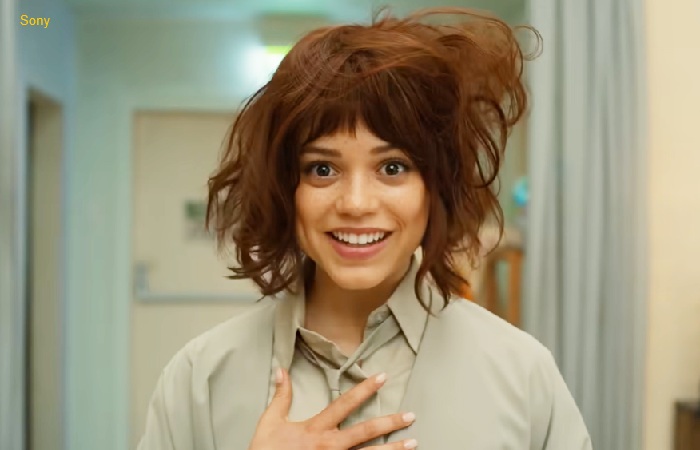
Klara and the Sun Review: Klara Begins To Uncover A Disturbing Secret About The Real Reason Chrissie Brought Her Into Their Lives
The movie adaptation of Klara and the Sun directed by Taika Waititi and co-written with Dahvi Waller hits emotional heights thanks to a powerful lead performance that anchors the entire film. However, the movie often feels uneven because of two completely different styles pulling it in opposite directions. On one hand, you have the quiet and thought-provoking tone of Kazuo Ishiguro’s novel, which focuses on big, deep questions about human connection. On the other, you have Waititi’s trademark lighthearted, whimsical humor, and when these two styles collide, the film can feel jarred and unsure of what tone it wants to set.
The movie Klara and the Sun takes place in a near-future world where parents can genetically enhance their kids to make them smarter even though the procedure carries dangerous health risks. The story follows Klara (Jenna Ortega), a slightly older model of a robot companion known as an Artificial Friend. Klara lives in a high-end store run by a quirky manager (Natasha Lyonne), where she spends her days watching people through the front window. As she observes the world outside, Klara develops an innocent, almost religious devotion to the Sun, believing sunlight possesses miraculous healing power.
Klara’s life changes when Chrissie (Amy Adams) buys her to be a companion for her sick, fragile daughter, Josie (Mia Tharia). Moving into their home, Klara quickly realizes the family is overwhelmed by sadness and fear for Josie's future. As Josie's health gets worse, Klara secretly sets out on a quiet mission as she tries to make a deal with the Sun to heal her friend. But along the way, Klara begins to uncover a disturbing secret about the real reason Chrissie brought her into their lives.
The absolute highlight of Klara and the Sun is Jenna Ortega, as she steps away from the dark, moody roles she’s best known for. Ortega brings Klara to life with incredible warmth, childlike curiosity, wide-eyed wonder, and an innocent desire to learn about the world. What makes her performance so impressive is how she handles both the physical and emotional sides of playing an AI. She carefully mimics the rigid, stiff movements of a robot but lets genuine warmth peek through her eyes and expressions. As her character observes human love and sadness, Ortega carries the heart of the story on her shoulders, showing us a machine that is slowly learning what it means to feel.
Mia Tharia turns in a standout performance as Josie, making the sick teenager feel deeply human and full of fiery personality. The chemistry between Ortega and Tharia gives the movie its true heart. The quiet, tender bond that develops between Josie and her robot companion forms the emotional anchor of the entire movie. Watching them learn to understand each other provides the story with genuine heart, serving as a powerful reminder of why Ishiguro’s novel touched so many readers in the first place.
Amy Adams delivers an incredibly rich performance as Chrissie in Klara and the Sun, bringing a complicated, conflicted character to life. She walks a tightrope as a grieving mother who feels driven to control every detail of her daughter's fragile life. Adams plays the role with such honesty, you can feel the heartbreaking desperation behind her actions. Even when Chrissie makes choices that feel unhinged or deeply troubling, the audience can still empathize with her pain. You might not agree with what she's doing, but Adams ensures you always understand why a desperate mother would go to such extreme lengths.
Supporting the main cast, fan favorites Natasha Lyonne and Steve Buscemi make brief but memorable appearances that feel grounded in real human emotion. Much of the movie takes place inside Josie’s quiet, isolated home; these small roles are crucial as they open a window to the outside world. Through their interactions with Klara, Lyonne and Buscemi give viewers a fascinating glimpse into how the rest of society lives in this futuristic setting.
In Klara and the Sun, the filmmaker skips the dark, gloomy look you usually see in sci-fi movies. Instead, they fill the screen with golden sunlight, bright colors, and warm, inviting landscapes. Plus, whenever we see through Klara’s eyes, her view breaks apart into grid-like pixels whenever she processes new information. This visual trick gives audiences a fascinating look at how a computer mind makes sense of the world. It’s a creative, highly effective visual effect that lets us experience the world through a robot’s eyes, showing us exactly how an AI breaks down, analyzes, and organizes new information in real time.
Where the film Klara and the Sun stumbles most is in how director Taika Waititi handles the story's heaviest themes. Kazuo Ishiguro’s novel is a quiet, haunting exploration of human nature. It doesn't offer easy answers, instead leaving readers to wrestle with uncomfortable questions about how far people will go to avoid grief, how society treats living beings like disposable technology, and whether a soul is something unique or just a series of code algorithms.
Unfortunately, the movie shies away from that dark, thought-provoking edge, and instead of letting those deep questions sink in, Waititi quickly moves past them to deliver his signature quirky, offbeat comedy. The film ultimately trades subtle existential dread for easy, Hollywood-style moments, making the emotional beats feel somewhat staged rather than coming across naturally.
In short, the film adaptation of Klara and the Sun is a visually gorgeous drama elevated by an extraordinary lead performance from Jenna Ortega, alongside powerful supporting work from Amy Adams and Mia Tharia. With its bright, sunlit aesthetic and clever robotic point-of-view effects, the movie is always a treat to look at. However, director Taika Waititi’s preference for quirky humor and engineered emotional moments often undercuts the story's deeper, darker themes about grief and technology. It remains a compelling, wonderfully acted movie, even if it trades the quiet, haunting depth of Kazuo Ishiguro’s novel for a lighter, more crowd-pleasing audience.
You Might Also Like...
Bugonia Trailer, Fun Facts & Review
Bugonia Synopsis: Two conspiracy-obsessed men kidnap the CEO of a major company, played by Emma Stone, because they believe she is an alien on a mission to
Good Fortune Trailer, Fun Facts & Review
Good Fortune Synopsis: A clumsy angel named Gabriel (Keanu Reeves) is sent to Earth to help a down-on-his-luck man named Arj (Aziz Ansari). Convinced that money
I Love Boosters: Every Time The Velvet Gang Steals From Her, The Audie
I Love Boosters Synopsis: Led by the fierce Corvette (Keke Palmer), a stylish crew of Oakland shoplifters known as the Velvet Gang moves from high-end heists to


